
Key takeaways
- Mouthing is normal puppy behavior. The goal is to teach a soft mouth, then no teeth on skin.
- When teeth touch skin, pause the game for a few seconds, then resume gently.
- Always have a toy ready to swap for hands, feet and clothing.
- Never hit, scruff or flick a puppy's nose: it frightens them and can make biting worse.
Why puppies bite
Puppies explore with their mouths, play-bite with their littermates and chew to soothe teething gums. Through play they learn how hard is too hard. Your job is to keep teaching that lesson at home, so your dog grows up with a gentle mouth.
Teach bite inhibition
- Play gently with your puppy. If they bite hard, say "ouch" in a high voice, let your hand go limp and stop playing.
- Pause for 10 to 20 seconds, then go back to calm play. Praise soft mouthing or licking.
- If biting continues, stand up and walk away for 30 to 60 seconds, or calmly leave the room.
- As hard bites fade, start pausing for moderately hard bites too, until any teeth on skin ends the game.
Redirect to toys
- Keep a tug toy or chew in your pocket and offer it the moment your puppy reaches for fingers.
- For ankle biters, freeze, wiggle a toy and start moving again once they grab it.
- Rotate toys so there's always something new and more interesting than your sleeve.
- For teething, offer a frozen stuffed rubber toy to soothe sore gums.
Games to avoid
- Wrestling or rough play with hands
- Wiggling fingers or toes in your puppy's face
- Teasing with toys and pulling them away fast
Fetch and tug with clear rules are better outlets. A puppy class gives safe play with other dogs, which teaches bite inhibition fast.
When to get help
If biting seems fearful, comes with stiff body language or growling, or doesn't improve, talk to a reward-based trainer or a veterinary behaviorist.
Products that help.
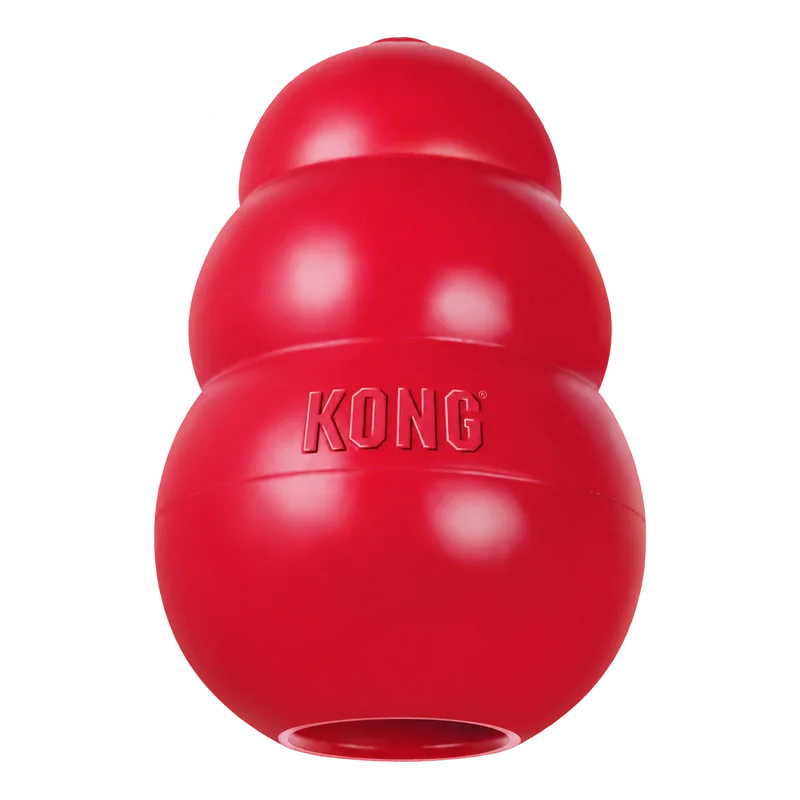
KONG Classic
For a more interesting playtime
A stuffable natural-rubber toy for dogs who enjoy chewing, chasing and working for a treat.
- Average chewers
- Food-puzzle enrichment
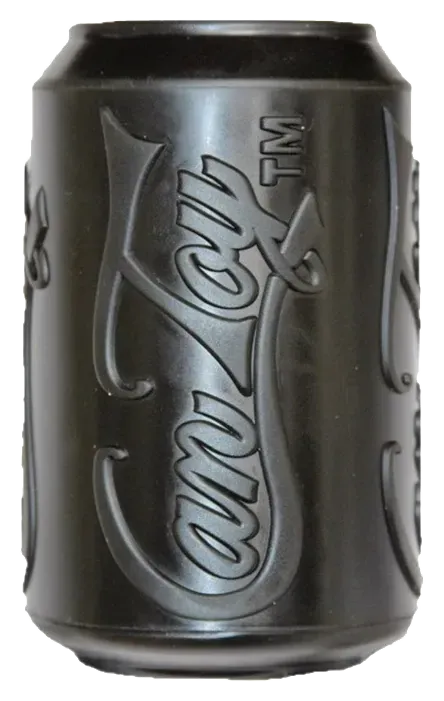
SodaPup Magnum Can Toy Treat Dispenser
A soda-can rubber chew you can fill
We recommend the SodaPup Magnum Can Toy for dogs who chew hard and like a food puzzle: durable natural rubber, a fillable cavity and three sizes from 0 to 90 pounds.
- Heavy chewers
- Stuffable treat dispensing
Questions, answered
At what age do puppies stop biting?
Most puppies mouth less once their adult teeth are in, at around six months, especially with consistent training. Teething can make the months before that bitier.
Should I yelp when my puppy bites?
A short, high "ouch" and a pause works for many puppies. If yelping makes yours more excited, skip it and simply pause the game.
Is it okay to play tug with a puppy?
Yes. Tug with rules, like letting go on cue and ending the game if teeth touch skin, is a great outlet.
Sources
We base our care guides on guidance from veterinary schools, veterinary associations and animal welfare organizations, written in our own words. If your pet is unwell, your vet is the right first call.