
How to choose
Measure first, then pick a style
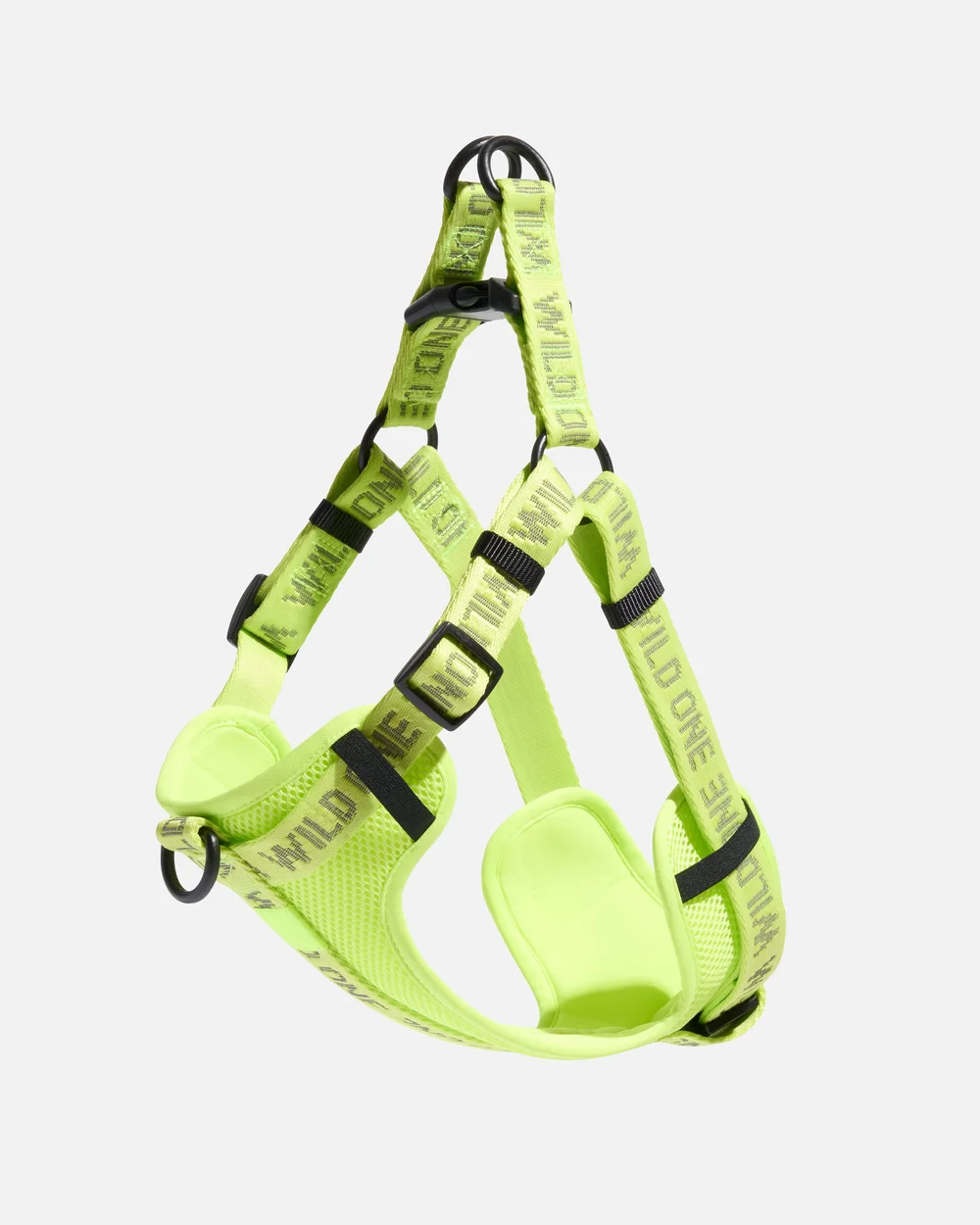
Every harness here is sized by chest girth, not breed. Measure around the widest part of the rib cage and compare it with the brand's current chart. Between sizes, follow the brand's own advice: Wild One, for example, recommends sizing up on the Step-In.
Front clip, back clip or both
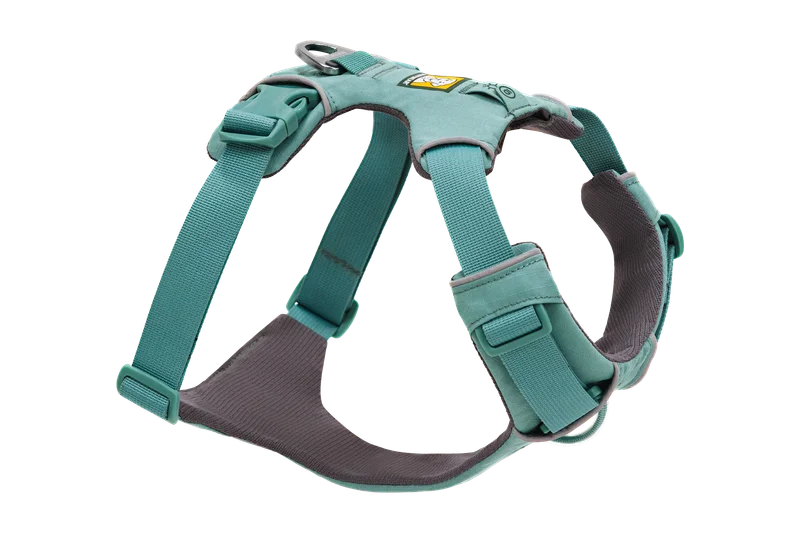
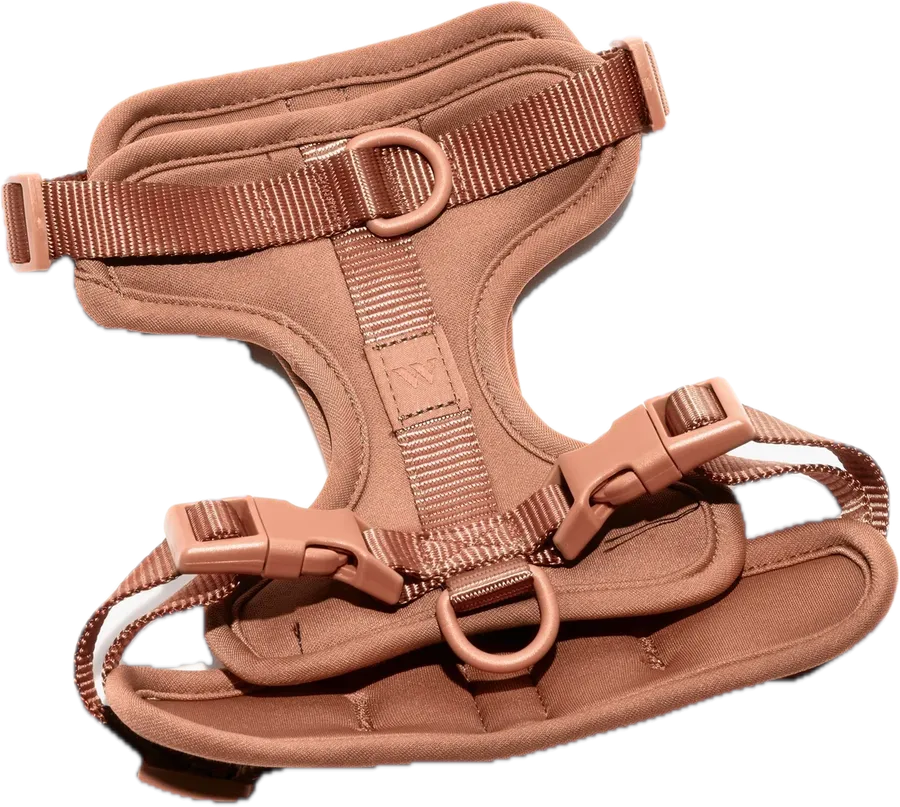
A back clip suits relaxed walking. A front clip gives you a different handling position for a dog that leans into the leash. All three picks offer a front attachment; the Ruffwear and Wild One add a back clip, so you can switch as training progresses.
Overhead or step-in
If your dog ducks away when gear goes over the head, a step-in design like the Wild One makes getting ready calmer. If your dog stands happily for an overhead harness, the Ruffwear gives you more adjustment points.
Head to head
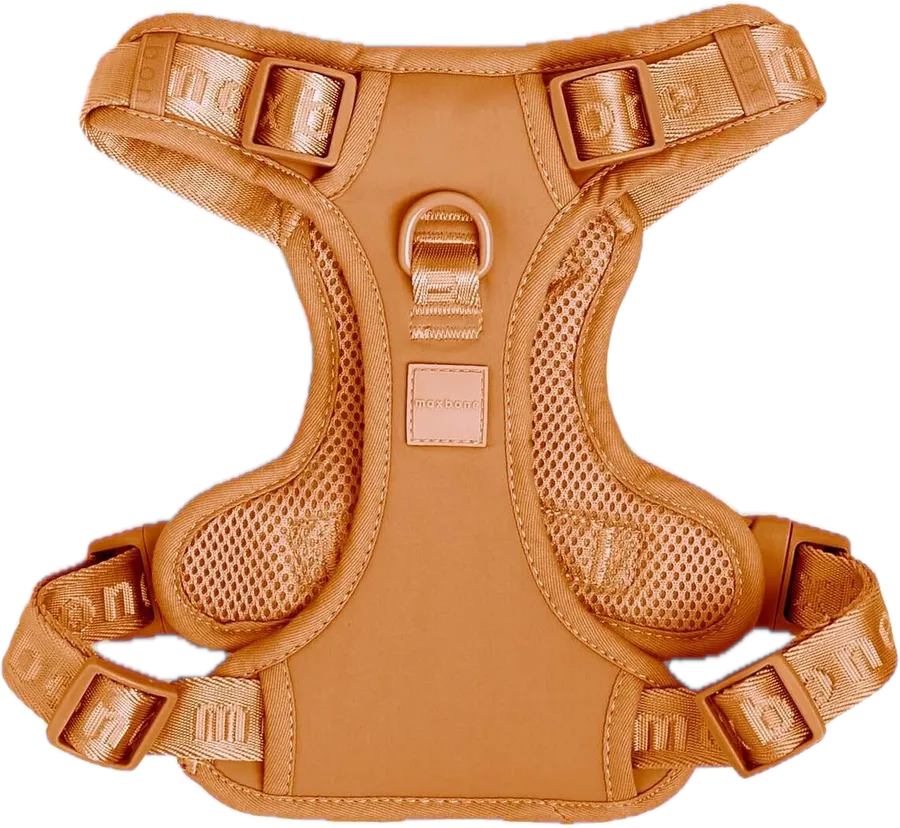
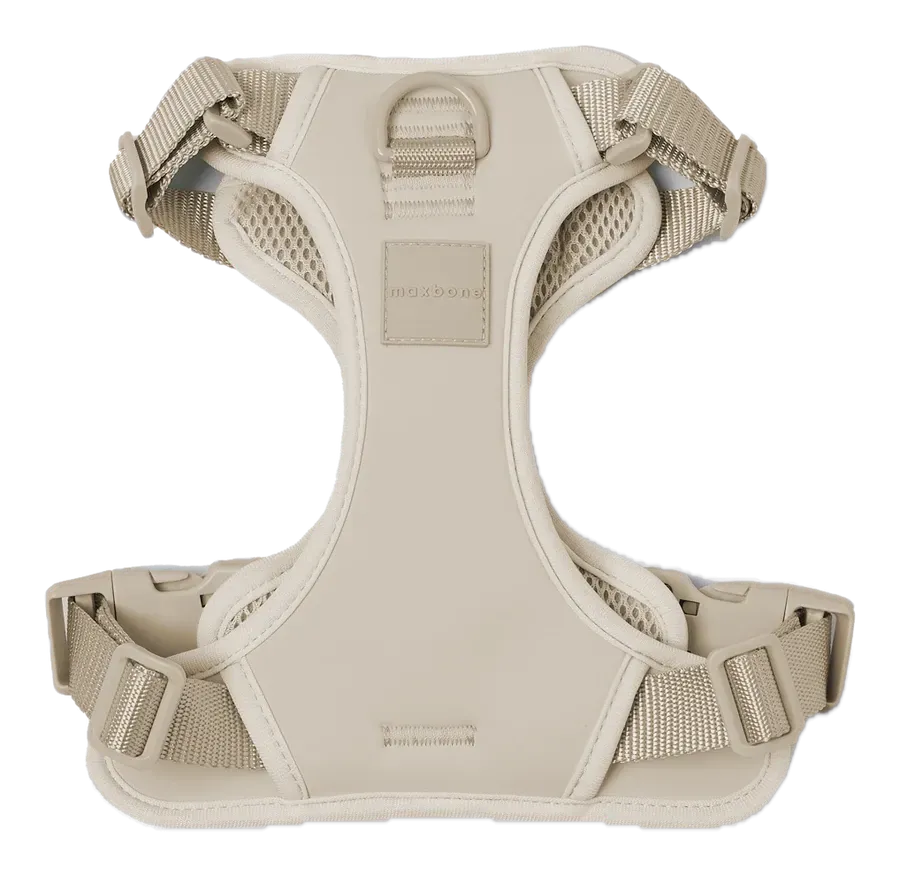
maxbone Double Panel vs Easy Fit Harness
Wild One Step-In vs Ruffwear Front Range
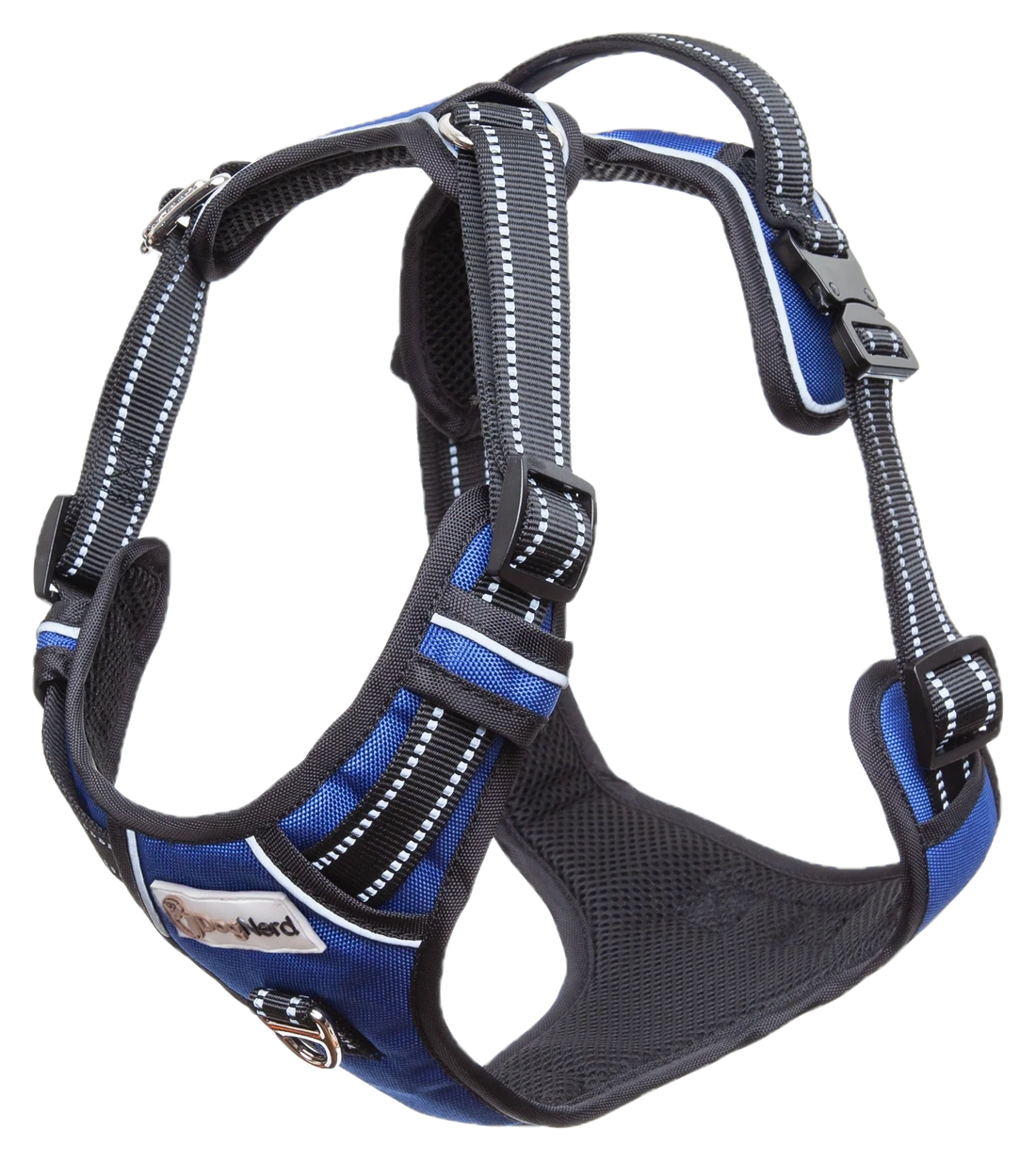
Wild One Step-In vs DogNerd No-Pull Harness
DogNerd No-Pull vs Ruffwear Front Range
Questions, answered
What is the best dog harness for a dog that pulls?
Choose a well-fitted harness with a front clip, such as the DogNerd No-Pull or the Ruffwear Front Range, and pair it with loose-leash training. A front clip changes where the leash connects; training is what changes the habit.
Is a step-in harness better than an overhead harness?
It is better for dogs who dislike gear over the head, because they step into it instead. Overhead harnesses usually offer more adjustment points. Pick the style your dog accepts calmly.
Are there discount codes for these harnesses?
Yes. Wild One and DogNerd both have PetCriteria reader codes, shown beside each pick and on their discount-code pages.