
Key takeaways
- Separation anxiety shows up only when a dog is left alone: howling, destruction, accidents, escape attempts.
- Rule out medical causes and other behavior problems with your vet first.
- Mild cases often improve with a special food toy given only when you leave.
- Moderate to severe cases need slow, gradual practice and often professional help. Never punish an anxious dog.
The signs
The key clue is timing: the behavior happens when the dog is alone or separated from you, and usually not when you're home.
- Barking, howling or whining after you leave
- Chewing or digging at doors and windows
- Toilet accidents in a dog who is otherwise house-trained
- Pacing, trying to escape, or refusing food while alone
- Getting agitated as you prepare to leave
What can trigger it
The exact cause isn't known, but changes often come first: adoption or a new family, a move, a sudden change in schedule, or losing a person or pet from the household. Dogs adopted from shelters seem to be affected more often.
Rule out other causes
House soiling can be medical, for example a urinary infection, and some medications affect it too. Boredom, incomplete house training and normal puppy chewing can look similar. Start with a vet visit.
Helping a mild case
- Each time you leave, give a food puzzle or a stuffed toy that takes a while to finish.
- Pick it up when you return, so it's only available when you're out.
- Keep arrivals and departures calm and low-key.
- Make sure your dog gets daily exercise and brain games before alone time.
Moderate to severe cases
These need a gradual desensitization plan, ideally guided by a veterinary behaviorist or a trainer experienced with fear. You practice leaving cues like picking up keys without leaving, then very short absences behind a door, building up seconds, then minutes, only as fast as your dog stays relaxed. Until then, avoid leaving your dog alone long enough to panic: a sitter, daycare or a friend can bridge the gap.
For some dogs, medication prescribed by a vet makes training possible. It works best alongside a behavior plan.
Products that help.
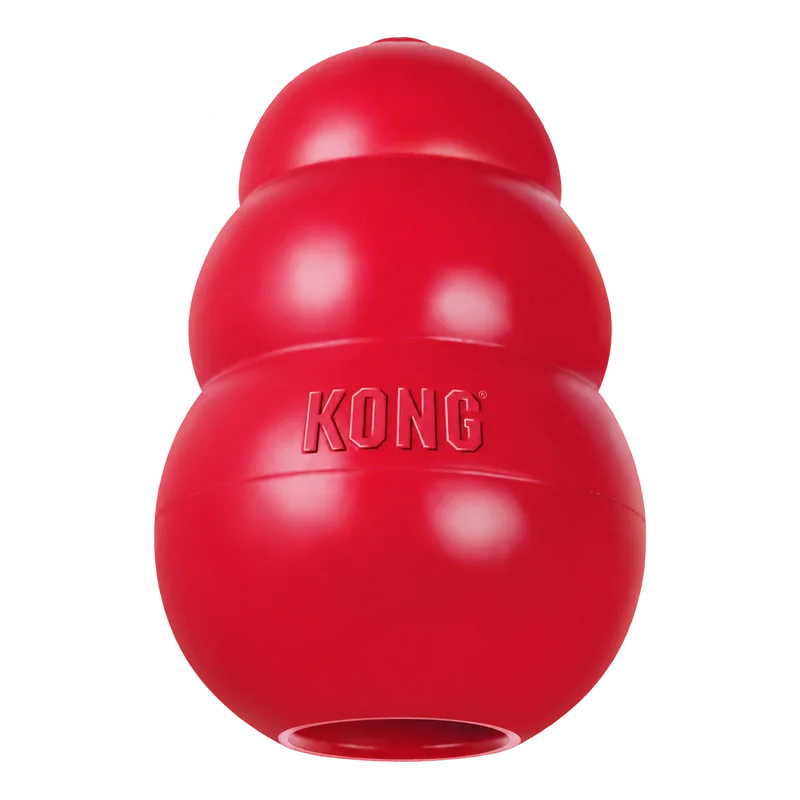
KONG Classic
For a more interesting playtime
A stuffable natural-rubber toy for dogs who enjoy chewing, chasing and working for a treat.
- Average chewers
- Food-puzzle enrichment
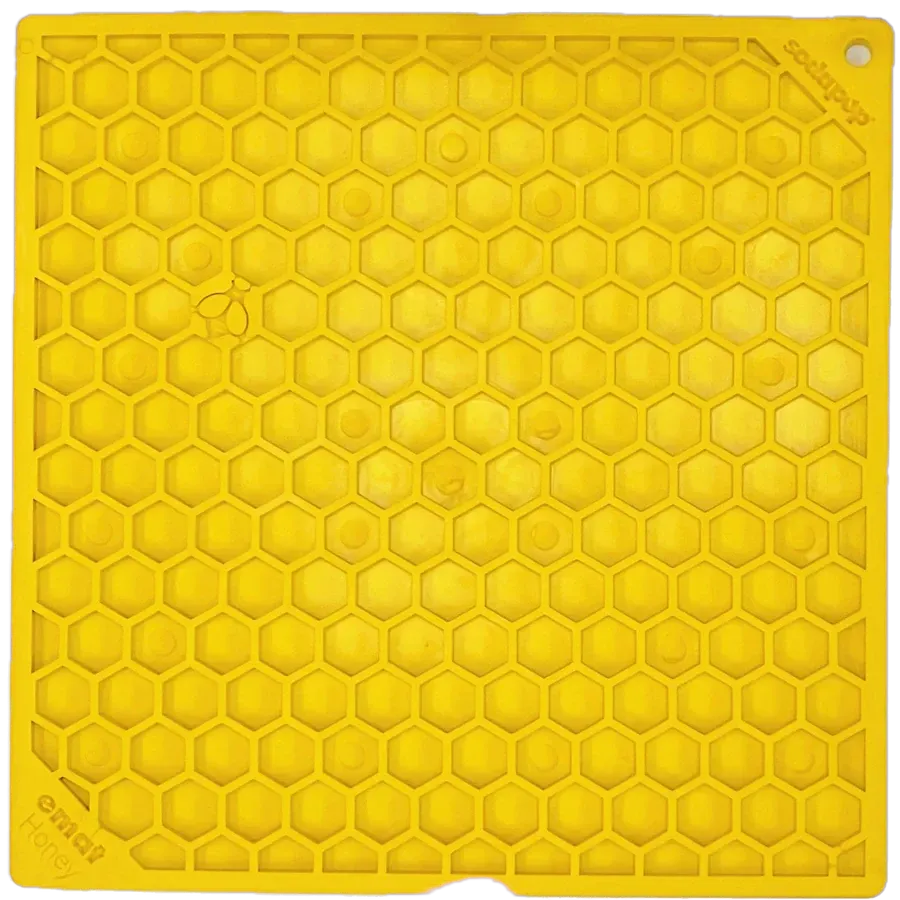
SodaPup Honeycomb eMat Lick Mat
Hexagonal cells that hold the spread
We recommend the SodaPup Honeycomb eMat for everyday lick-mat enrichment: hexagonal cells hold peanut butter, yogurt or wet food, the TPE is freezer and top-rack dishwasher safe, and two sizes cover dogs and cats.
- Daily licking enrichment
- Puppies and cats (small size)
Questions, answered
Does crate training help separation anxiety?
Only if your dog already sees the crate as a safe place. Some anxious dogs panic in a crate; a puppy-proofed room behind a baby gate may be better.
Will getting a second dog help?
Usually not. Separation anxiety is typically about separation from a person, not a lack of animal company.
How long does it take to fix separation anxiety?
Mild cases can improve in weeks. Severe cases often take months of gradual work, sometimes with medication.
Sources
We base our care guides on guidance from veterinary schools, veterinary associations and animal welfare organizations, written in our own words. If your pet is unwell, your vet is the right first call.