
Key takeaways
- Fur isn't enough: dogs and cats can get frostbite and hypothermia and should live indoors in cold weather.
- Short-haired, small, young, old and unwell pets feel the cold fastest.
- Wipe paws, legs and belly after walks to remove de-icers and antifreeze.
- Antifreeze is deadly in small amounts. Clean up spills immediately.
Know your pet's limits
Cold tolerance depends on coat, body fat, activity and health. Thick-coated breeds handle cold better but still shouldn't be left outside for long in freezing weather. Short-haired and short-legged dogs chill faster, and very young, old or thin pets, or those with conditions like diabetes, heart or kidney disease, struggle to regulate their temperature. Arthritis can also worsen in the cold.
Winter walks
- Shorten walks in very cold weather.
- Consider a coat or sweater for short-coated dogs, and keep a dry spare: a wet coat makes a dog colder.
- Check paws for cracked or bleeding pads and ice balls between the toes. Trimming the hair between toes helps.
- Wipe or wash paws, legs and belly when you get home to remove de-icers and chemicals.
- Stay away from frozen ponds and lakes; you can't know if the ice will hold.
- Make sure your dog wears ID and has an up-to-date microchip: snow hides familiar scents.
Hidden winter hazards
- Antifreeze: even small amounts can be deadly. Clean spills straight away and store containers out of reach.
- De-icers: keep pets away from treated areas and consider pet-safe de-icer at home.
- Cold cars: a parked car acts like a refrigerator. Don't leave pets in it.
- Warm engines: outdoor and stray cats shelter there. Bang on the hood before starting your car.
- Space heaters: they can burn pets or tip over. Keep them guarded.
Comfort at home
Offer a choice of warm, draft-free sleeping spots so your pet can move closer to or away from heat. Pets that are more active in winter may need a little more food; less active pets may need less. Ask your vet if you're unsure.
Products that help.
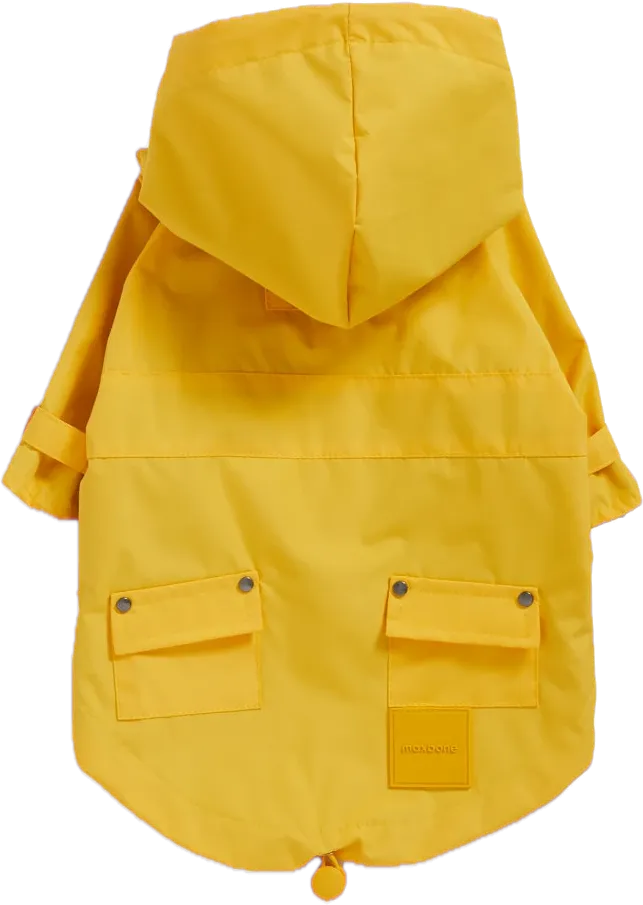
maxbone Talon Raincoat
maxbone's best-selling raincoat
We recommend the maxbone Talon Raincoat for dogs who hate getting wet. It is water repellent, mesh lined, has a removable hood and a leash opening, and is machine washable.
- Rainy walks
- Small to large dogs
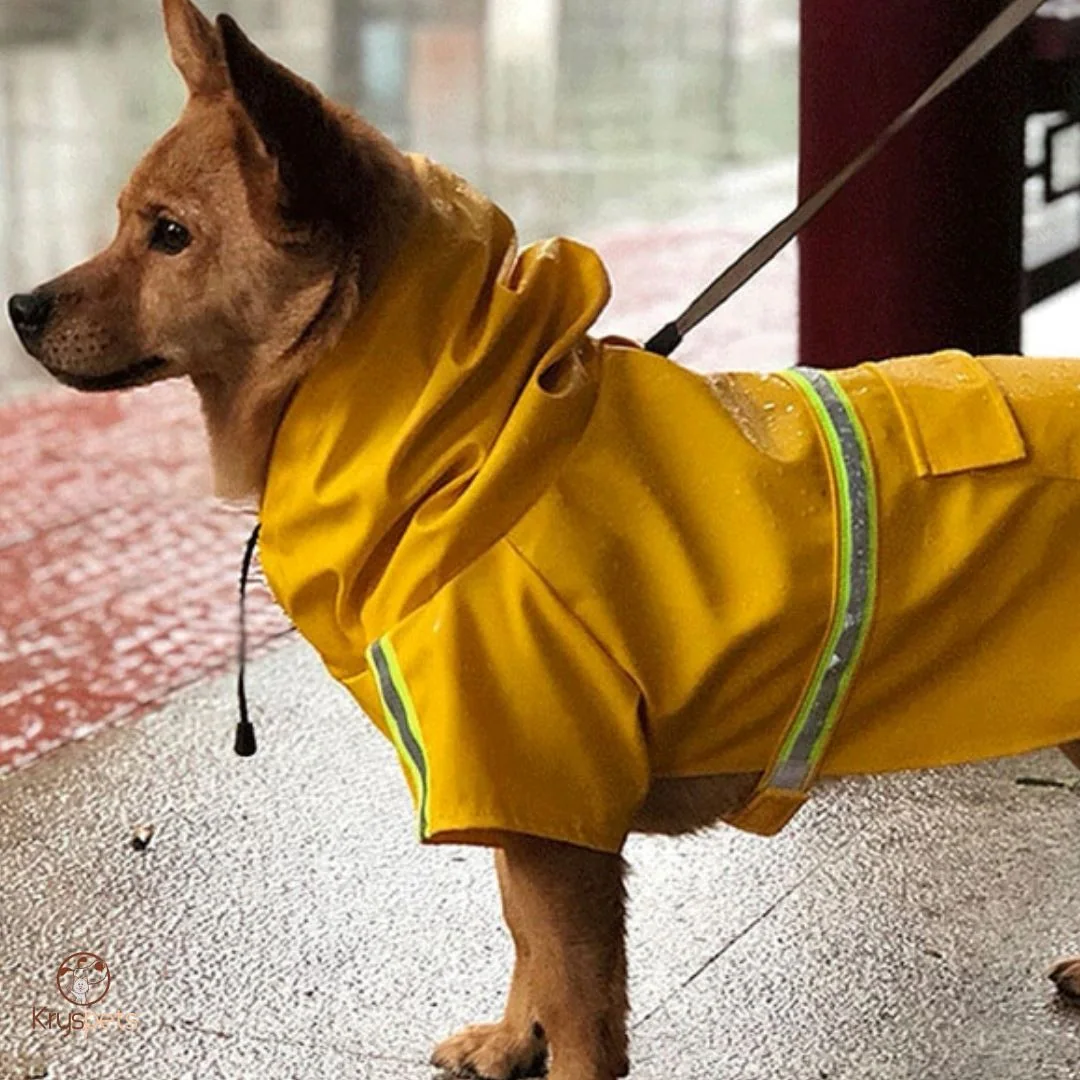
Kryspets KrysPLUIE Dog Raincoat
A dog coat with a leash opening and reflective bands
Kryspets’ KrysPLUIE raincoat adds an adjustable outer layer, leash opening, reflective bands and a pocket. Use the product’s image-based size chart and check coverage expectations before ordering.
- A raincoat-style walking layer
- Harness-access opening
Questions, answered
How cold is too cold for a dog to be outside?
It depends on the dog. Small, short-coated, young, old and unwell dogs feel cold quickly. In freezing weather keep outdoor time short for every dog, and watch for shivering, lifting paws or slowing down.
Do dogs need coats in winter?
Short-coated, small and older dogs often benefit from a coat. Thick-coated breeds usually don't need one.
Is road salt bad for dogs' paws?
It can irritate pads and is harmful if licked. Wipe paws after walks.
Sources
We base our care guides on guidance from veterinary schools, veterinary associations and animal welfare organizations, written in our own words. If your pet is unwell, your vet is the right first call.