
Key takeaways
- Chocolate, grapes and raisins, xylitol, onions and garlic, macadamia nuts and alcohol are among the most dangerous foods for pets.
- Xylitol, a sweetener in sugar-free gum and some peanut butters, can drop a dog's blood sugar quickly.
- If your pet eats something on this list, call your vet or an animal poison control line straight away. Don't wait for symptoms.
Why people food is risky
Pets process food differently from us. A snack that is harmless to you can damage a dog's kidneys or a cat's red blood cells, and small pets reach a dangerous dose quickly. The safest habit is simple: keep human food out of reach and treat your pet with food made for them.
The most dangerous foods
- Chocolate, coffee and caffeine: contain methylxanthines, which can cause vomiting, an abnormal heart rhythm and seizures. Dark and baking chocolate and cocoa powder are the most toxic.
- Grapes and raisins: can cause kidney damage in dogs. There is no known safe amount.
- Xylitol: a sugar substitute in sugar-free gum, sweets, baked goods and some peanut butters. It can cause low blood sugar and liver damage.
- Onions, garlic and chives: damage red blood cells and can lead to anemia. Cats are even more sensitive than dogs.
- Macadamia nuts: can cause weakness, tremors and overheating in dogs.
- Alcohol and raw yeast dough: alcohol is toxic to pets, and rising dough can expand in the stomach.
- Salty foods: large amounts cause excessive thirst and can lead to serious electrolyte problems.
Foods that upset stomachs
Some foods are less dangerous but still cause trouble. Milk and dairy often cause diarrhea because many pets are lactose intolerant. Fatty nuts like almonds and pecans can cause vomiting and, in some dogs, pancreatitis. Cooked bones can splinter and injure the gut, and raw meat and eggs can carry bacteria such as Salmonella.
What to do if your pet eats something toxic
- Move your pet away from the food and take away anything left.
- Note what was eaten, roughly how much and when. Keep the packaging.
- Call your vet or an animal poison control line immediately. In the US, the ASPCA Animal Poison Control Center is on (888) 426-4435 (a consultation fee may apply).
- Don't try to make your pet vomit unless a vet tells you to.
Safer treats
Plain treats made for pets are the easy answer. For a longer-lasting treat, a lick mat or a stuffable toy filled with your pet's own food turns a small portion into an activity.
Products that help.
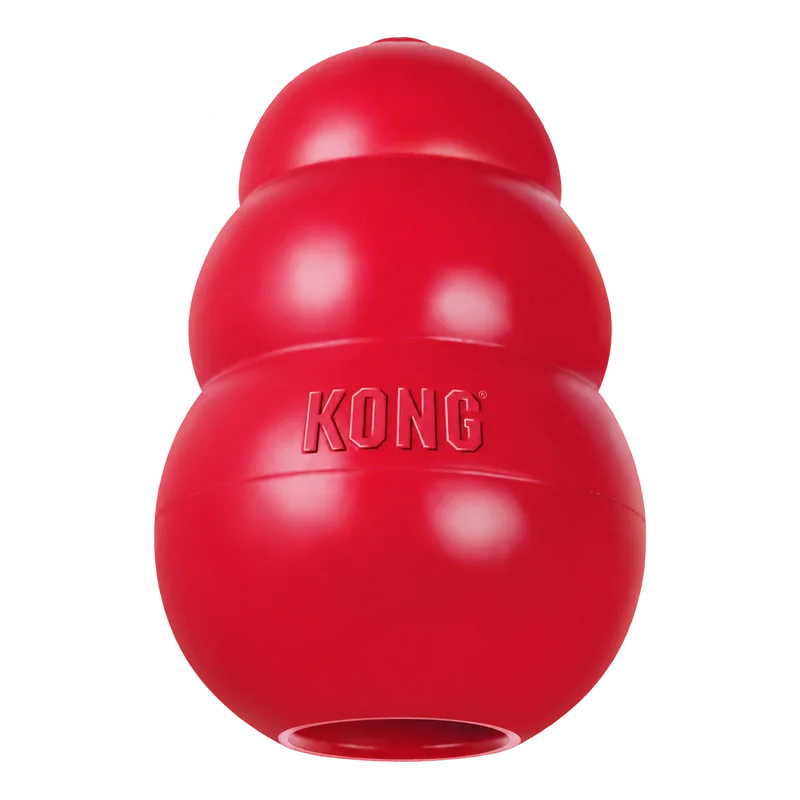
KONG Classic
For a more interesting playtime
A stuffable natural-rubber toy for dogs who enjoy chewing, chasing and working for a treat.
- Average chewers
- Food-puzzle enrichment
Questions, answered
How much chocolate is dangerous for a dog?
It depends on the type of chocolate and your dog's size. Dark and baking chocolate are far more toxic than milk chocolate, and small dogs are affected by smaller amounts. Call your vet whenever your dog eats chocolate.
Can dogs eat peanut butter?
Plain peanut butter is a common treat, but check the label first: some brands contain xylitol, which is dangerous for dogs.
Are grapes toxic to cats too?
The kidney risk is best documented in dogs, but keep grapes and raisins away from all pets.
Sources
We base our care guides on guidance from veterinary schools, veterinary associations and animal welfare organizations, written in our own words. If your pet is unwell, your vet is the right first call.