
Key takeaways
- Have one box per cat, plus one extra, in quiet spots on different floors.
- Most cats prefer unscented, fine-textured, clumping litter about one to two inches deep.
- Scoop at least once a day. A dirty box is one of the most common reasons cats go elsewhere.
- A cat that suddenly avoids the box should see a vet first: medical problems are a common cause.
How many boxes?
The standard guidance is one box per cat plus one. Two cats means three boxes. Spread them out rather than lining them up in one room, so no cat can block another's access.
Where to put them
- Somewhere quiet and easy to reach, away from noisy appliances
- Away from food and water bowls
- On each floor of a multi-level home
- With an escape route, so a cat doesn't feel cornered
Litter and box type
Most cats prefer unscented, finer-textured, clumping litter at a depth of about one to two inches. Strong fragrances that smell clean to us can put cats off. If you switch litter, mix the new one in gradually over about a week.
Choose a box at least one and a half times your cat's length. Kittens, seniors and cats with stiff joints need low sides. Covered boxes suit some cats but trap odor inside; offer an open option if you're unsure.
Keeping it clean
- Scoop solids and clumps at least once a day.
- Top up litter to keep the depth consistent.
- Empty and wash the box with mild, unscented soap regularly; avoid strong disinfectants with smells cats dislike.
When a cat stops using the box
House soiling is the most common behavior problem cat owners report. Start with a vet visit: urinary inflammation, kidney or thyroid disease, diabetes and arthritis can all lead to accidents. Once health issues are ruled out, look at the box itself: its cleanliness, litter, location, size and number.
Products that help.
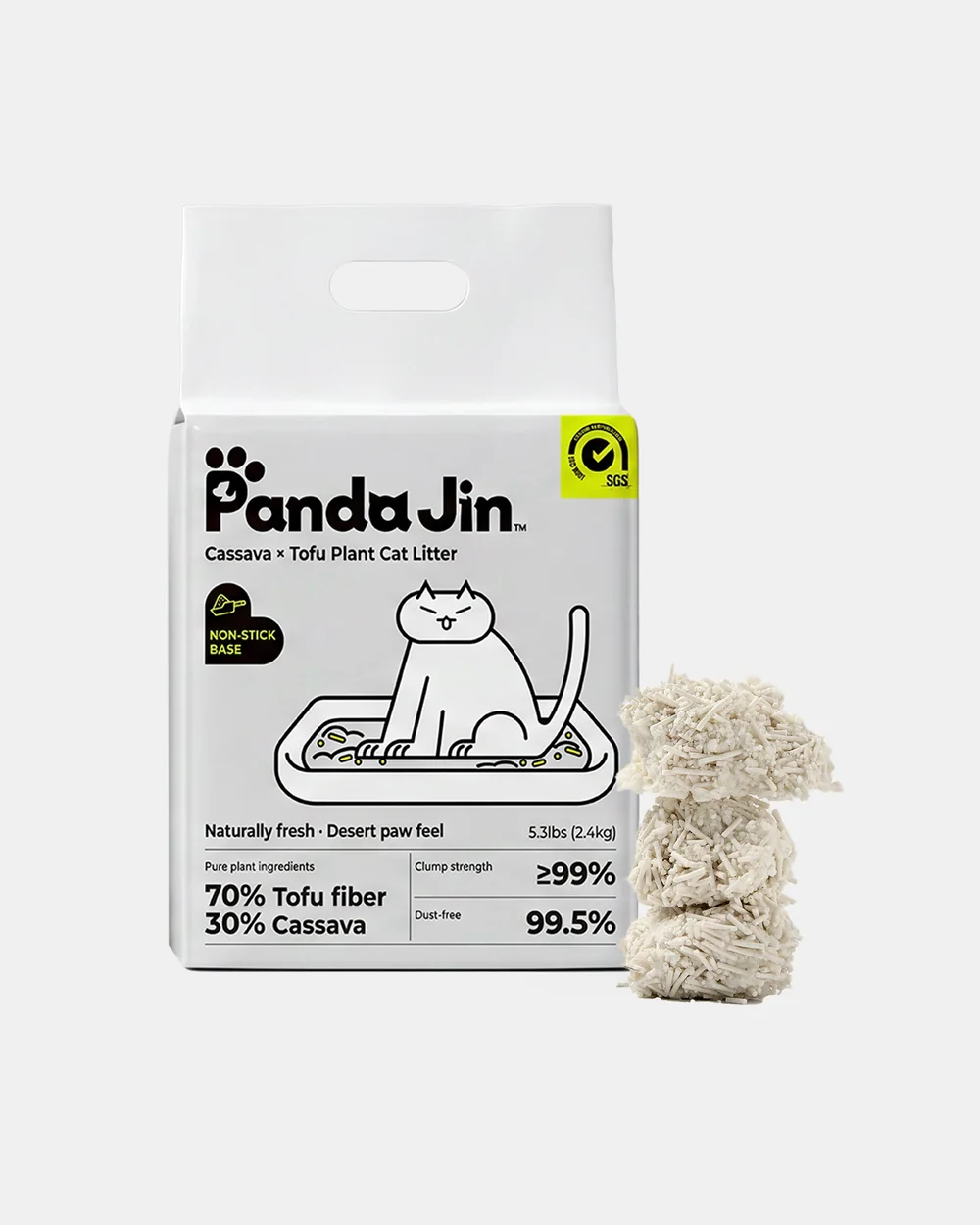
PANDAJIN Cassava × Tofu Plant Cat Litter
A plant-based clumping blend without added fragrance
PANDAJIN combines tofu fiber and cassava in an unscented clumping litter. Transition gradually, check your automatic box’s litter requirements and watch how your cat responds.
- Plant-based litter shoppers
- Unscented litter
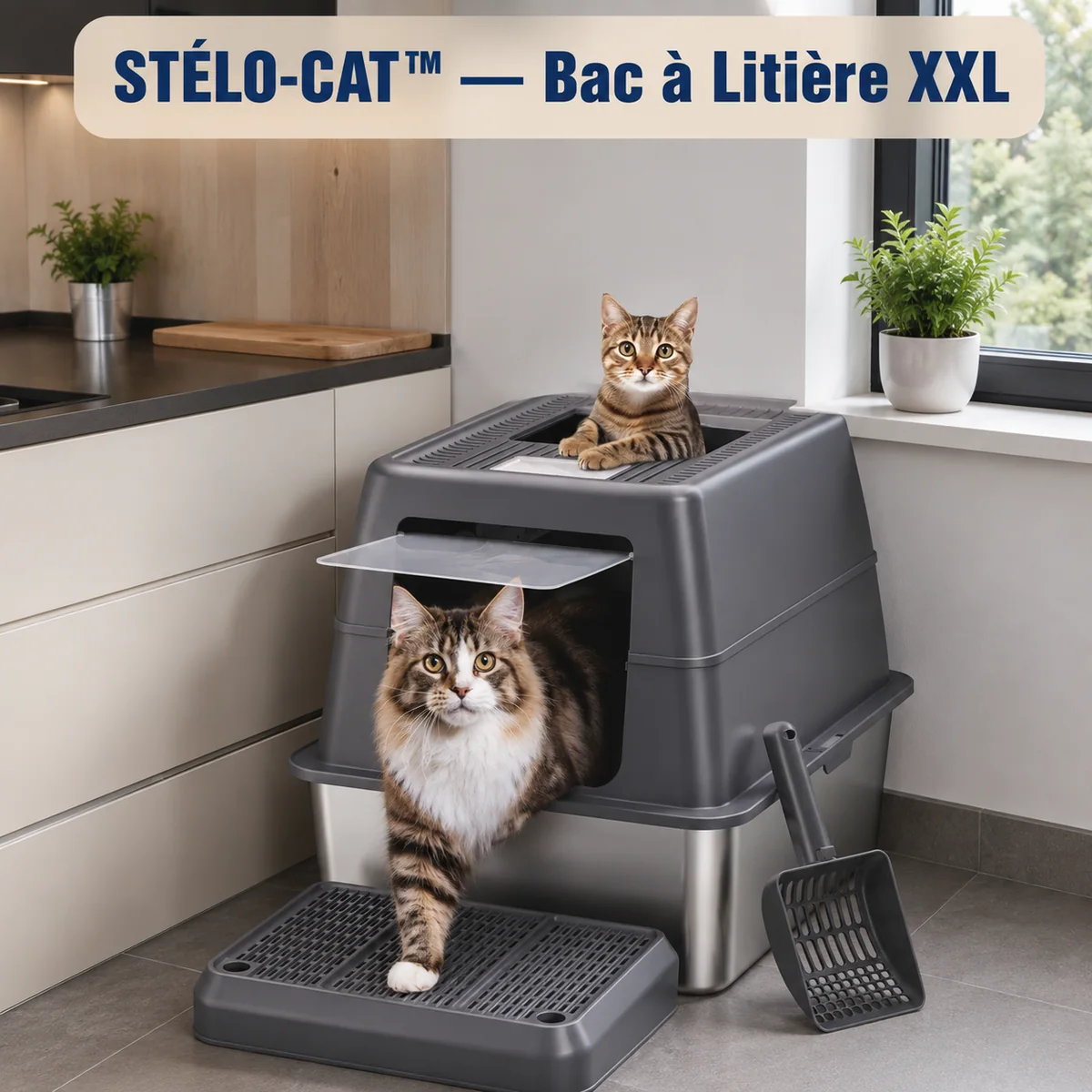
Le Chat Store (catmiaou) STÉLO-CAT XXXL Stainless Steel Litter Box
A large stainless-steel tray with a removable cover
The STÉLO-CAT litter box is a large stainless-steel tray with a removable cover and entry grid. Measure your space carefully and let your cat choose whether a covered box feels comfortable.
- Large litter-box footprint
- Stainless-steel construction
Questions, answered
Do cats prefer covered or open litter boxes?
Preferences vary. Many cats are happy with either, but some avoid covered boxes because they trap smells. Offering one of each is a good test.
Is clumping litter better?
Most cats prefer a fine, clumping, unscented litter, and clumps make daily scooping easier.
Why is my cat peeing outside the litter box?
Common causes are a medical problem, a box that's dirty or disliked, or stress. Book a vet check first, then review the setup.
Sources
We base our care guides on guidance from veterinary schools, veterinary associations and animal welfare organizations, written in our own words. If your pet is unwell, your vet is the right first call.