
Key takeaways
- Most dogs only need a bath every few months. Bathing too often can dry and irritate the skin.
- Short coats need brushing about once a week; long coats need brushing most days to prevent tangles.
- Use a shampoo made for dogs and rinse thoroughly.
How often to bathe
The ASPCA's guidance is that most dogs need a bath about once every three months. Dogs who spend a lot of time outdoors, roll in things or have a skin condition may need more, and your vet may recommend a medicated shampoo schedule for skin problems.
Between baths, brushing does most of the work: it lifts dirt, spreads natural oils and removes loose hair.
Brushing by coat type
- Short, smooth coats (Beagle, Boxer): a weekly brush with a rubber or bristle brush.
- Double coats (Husky, Retriever, Shepherd): brush a few times a week, more during shedding season, with an undercoat brush to lift loose fur.
- Long or silky coats (Shih Tzu, Yorkshire Terrier): brush most days to stop tangles turning into mats.
- Curly coats (Poodle, Doodle): brush often and plan regular professional trims.
A calm bath, step by step
- Brush out tangles before the bath; water tightens mats.
- Use lukewarm water and a non-slip mat in the tub.
- Wet the coat thoroughly, then lather a dog shampoo from the neck back, avoiding eyes and ears.
- Rinse until the water runs clear: leftover shampoo can itch.
- Towel dry, and keep your dog warm until fully dry.
Don't forget the extras
Check ears weekly, trim nails every few weeks and look over the skin while you brush. Lumps, redness, flaking or a strong smell are worth showing to your vet.
Products that help.
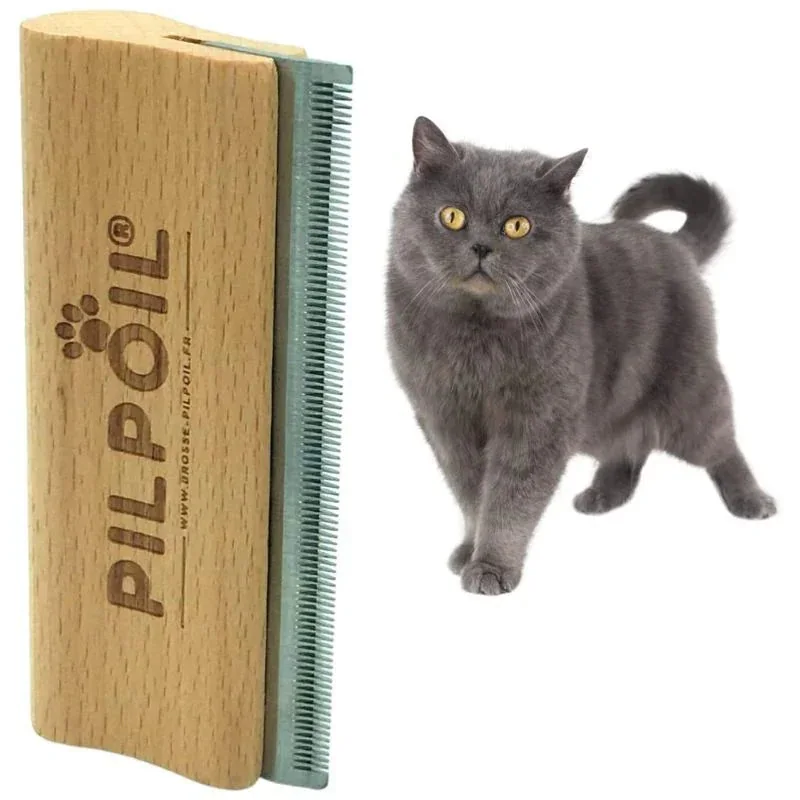
Pilpoil Beech-Handle Undercoat Brush (Large)
A wood-handled brush for loose undercoat
Pilpoil’s undercoat brush has a beech handle and a large size for dogs. Use it on a dry coat in the direction of growth, and stop rather than forcing the brush through knots.
- Undercoat grooming
- Large dogs
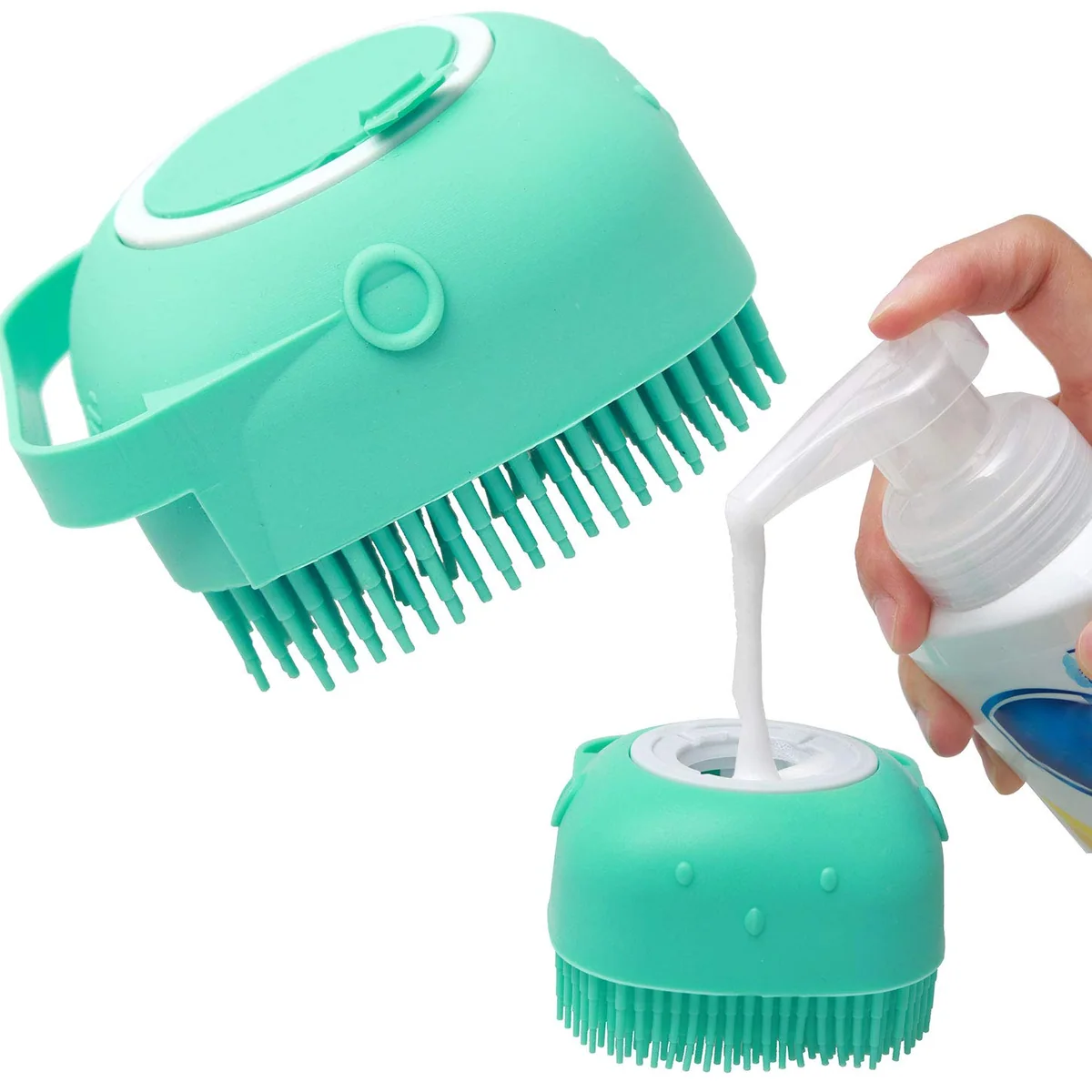
Faddy’s Pet Heaven Pet Shampoo Massager Brush
A small shampoo-dispensing scrubber for bath time
Faddy’s Pet Heaven lists this silicone brush for bathing short-haired dogs and cats. Its compact body dispenses shampoo while brushing, but pressure and suitability depend on your pet’s skin and comfort.
- Bath-time shampoo application
- Short-haired pets
Questions, answered
Can I use human shampoo on my dog?
Use a shampoo made for dogs. Human products are formulated for human skin and can irritate a dog's.
Why does my dog smell soon after a bath?
Skin, ear or dental problems are common causes of persistent odor. If a bath doesn't help for long, ask your vet.
Sources
We base our care guides on guidance from veterinary schools, veterinary associations and animal welfare organizations, written in our own words. If your pet is unwell, your vet is the right first call.