
Key takeaways
- Secure your pet in a carrier or with a crash-tested harness or crate. Loose pets are a hazard to everyone in a crash.
- Get your pet used to the carrier and short drives well before a long trip.
- Never leave a pet alone in a parked car, especially in warm weather.
Secure your pet
Cats and small dogs should travel in a well-ventilated carrier secured with a seatbelt or wedged in the footwell behind a front seat. Larger dogs can travel in a secured crate or with a harness attached to a seatbelt. Keep pets out of the front seat, where an airbag can injure them.
Practice before the big trip
- Leave the carrier out at home with a soft bed inside, so it becomes a normal place to rest.
- Feed treats or meals in it, then close the door for short periods.
- Sit in the parked car together, then take short drives that end somewhere pleasant.
- Build up to longer drives gradually.
On the road
- Feed a light meal a few hours before you leave to reduce car sickness.
- Stop every couple of hours for dogs to stretch, drink and toilet, always on a leash.
- Keep the car well ventilated and at a comfortable temperature.
- Pack water, a bowl, food, waste bags, a leash, any medications and your pet's records.
Car sickness and anxiety
Puppies and some adult pets get car sick. Short practice trips, a light meal beforehand and good airflow help. If your pet drools, vomits or panics in the car, ask your vet about training plans and medication options.
ID before you go
Make sure your pet wears a collar with an up-to-date ID tag and that their microchip details are current. A strange place is where pets most often go missing.
Products that help.
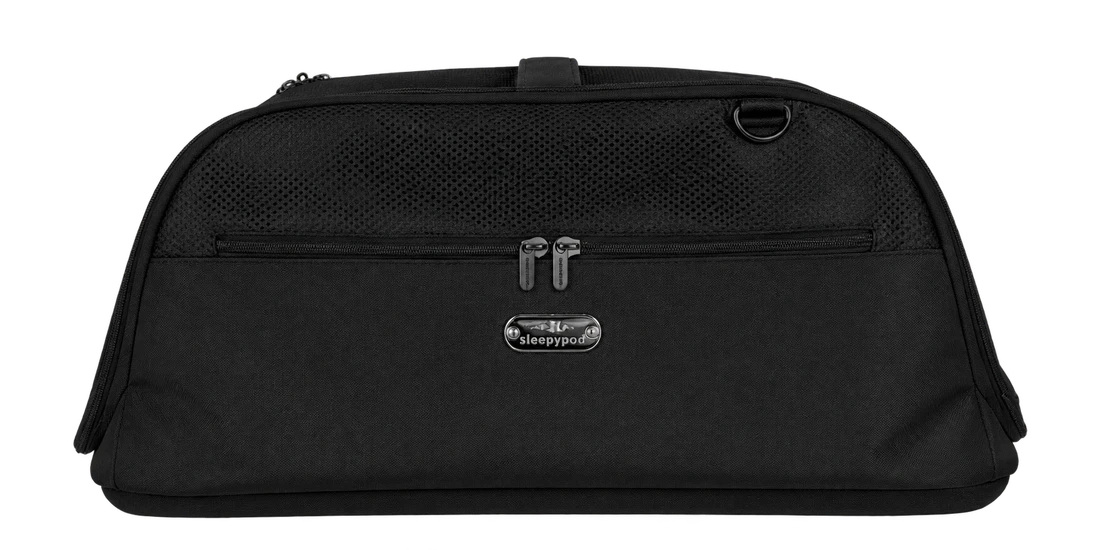
Sleepypod Air
For going places together
A soft-sided carrier designed for travel, with washable bedding and multiple carrying options.
- Cats & small dogs
- Vet visits & travel
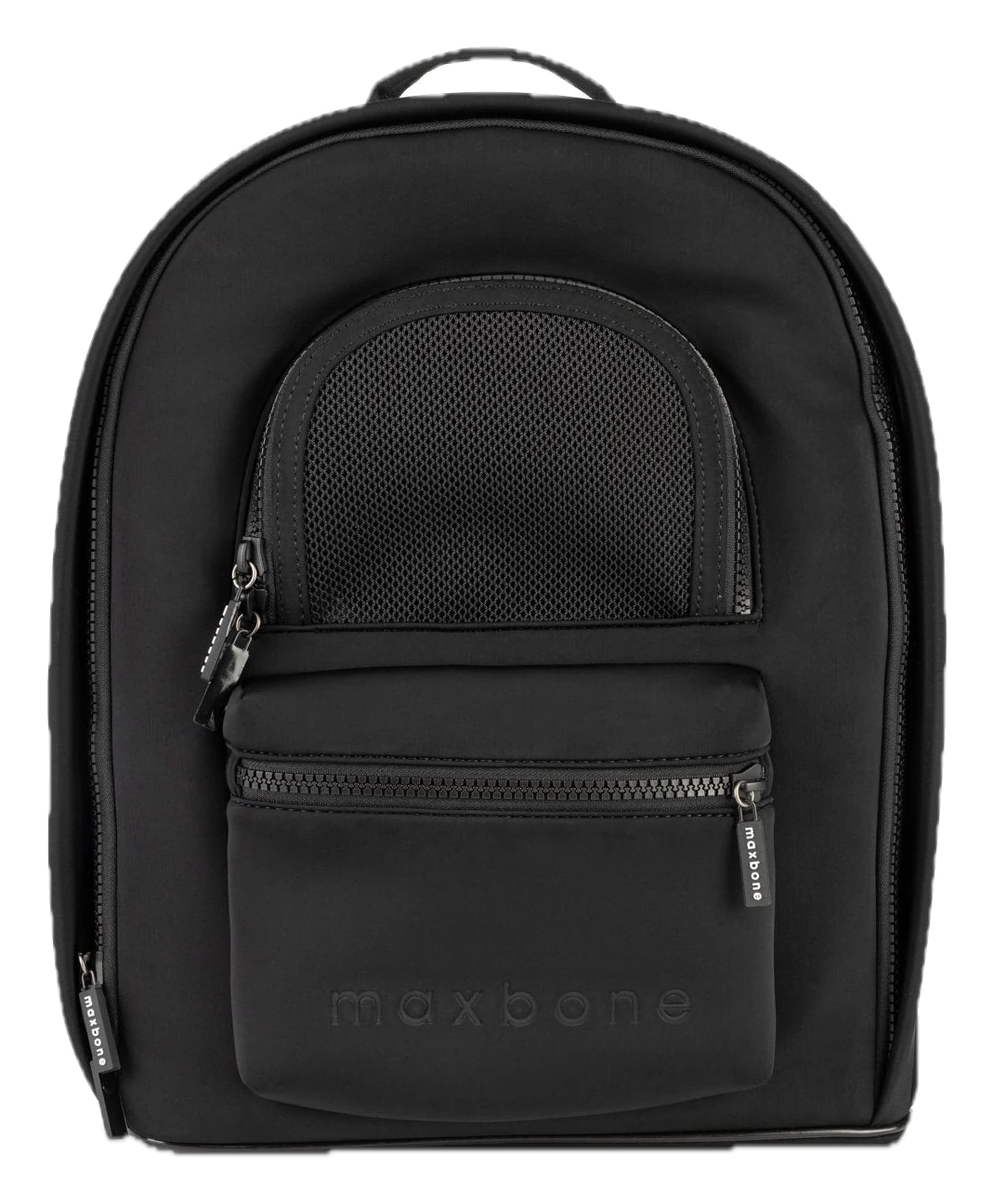
maxbone Go Everywhere Backpack
A small-dog backpack carrier that opens flat
Maxbone’s Go Everywhere Backpack is listed for dogs up to 17 pounds and can unzip flat to serve as a resting surface. Check your dog’s body dimensions against the bag before ordering; Maxbone lists outer dimensions rather than internal measurements.
- Small dogs within the seller’s 17 lb limit
- Owners who want a carrier that opens flat
Questions, answered
Where is the safest place for a pet carrier in the car?
In the back seat, secured with a seatbelt, or on the floor behind a front seat. Avoid the front seat because of airbags.
How often should I stop when driving with a dog?
Roughly every two hours for a walk, water and a toilet break, more often for puppies.
Sources
We base our care guides on guidance from veterinary schools, veterinary associations and animal welfare organizations, written in our own words. If your pet is unwell, your vet is the right first call.